Regular Dental Implants vs. Mini Dental Implants
In this video, Dr. Diane Hines shares how mini implants offer a simpler, less invasive alternative to traditional implants.
Patients often ask about the difference between traditional dental implants and mini dental implants, and which option may be right for them.
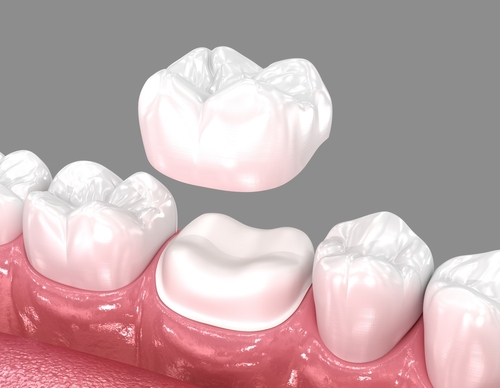
Traditional implants are larger and require a series of drills for placement, which removes more bone. Healing typically takes three to four months. Traditional implants comprise three separate components: the implant, abutment, and crown. While effective, these connections can create very small gaps where bacteria may collect, making excellent oral hygiene especially important.
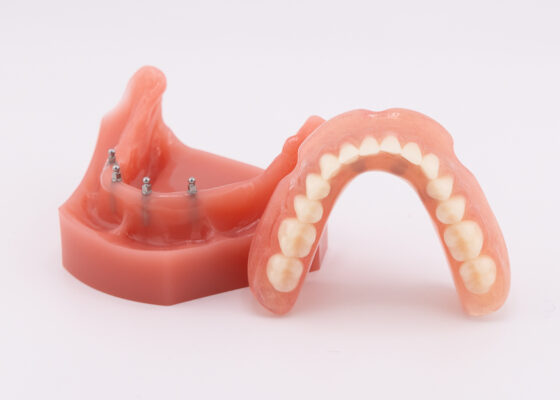
Mini dental implants, on the other hand, are smaller, less invasive, and generally more affordable. Placement is faster, recovery time is shorter, and they involve fewer components, which can reduce the risk of complications like peri-implantitis (infection around the implant). Many patients report little to no discomfort after the procedure, often requiring only minimal pain medication.
For patients seeking a simpler, cost-effective, and less invasive solution, mini dental implants can be an excellent option.
Tired of struggling with missing teeth or loose dentures? Contact Aesthetic Dental in Southfield, MI, today for a free consultation and see how simple, affordable treatments can improve your smile and quality of life.


Related Videos:
- What Is a Dental Implant?
- What Is a Mini Dental Implant?
- What Are the Benefits of Mini Dental Implants?
- What Are the Advantages of One-Piece Implants?
- Options For Replacing A Single Tooth
- Options For Replacing Multiple Teeth
- Options For Replacing All Your Teeth
- What If I Don’t Have Enough Bone for a Dental Implant?
- Do Mini Dental Implants Require Bone Grafting?

![Dental Implants in Detroit, MI [Video Guide] | Free Consultations](https://www.aestheticdental.com/wp-content/uploads/2026/03/Dental-Implants-in-Detroit-MI-Video-Guide-Free-Consultations.jpg)